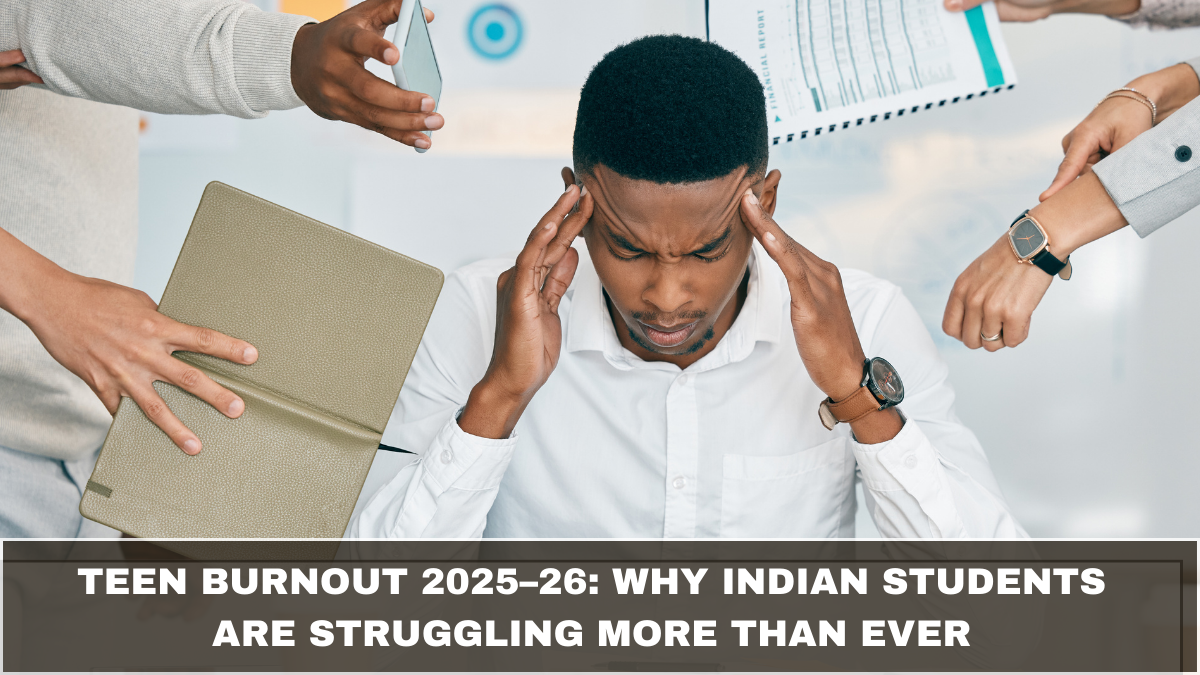
Teen mental health in India is facing a growing crisis, as rising academic pressure, social media influence, and lifestyle demands contribute to a teen burnout wave in 2025–26. More students are experiencing fatigue, emotional exhaustion, and difficulty coping with school, exams, and social expectations. This trend has sparked concern among parents, educators, and mental health professionals, highlighting the urgent need for awareness, supportive interventions, and holistic wellbeing strategies for Indian teenagers.
The phenomenon of burnout among Indian teens reflects a combination of academic competitiveness, social comparison through online platforms, and limited mental health resources. Increasingly, adolescents are reaching out for guidance on managing stress, maintaining focus, and preserving emotional resilience in the face of mounting expectations.
Causes Behind the Teen Burnout Wave
Several factors are driving the teen mental burnout wave in India:
-
Academic Pressure: Competitive school environments, entrance exams, and performance-based assessments create constant stress.
-
Social Media Impact: Teens experience comparison fatigue, online bullying, and unrealistic lifestyle pressures through Instagram, TikTok alternatives, and other platforms.
-
Lack of Downtime: Overloaded schedules with tuition classes, extracurriculars, and homework reduce relaxation and leisure time.
-
Sleep Deprivation: Late-night screen usage, early school timings, and heavy workloads disrupt sleep cycles.
-
Parental Expectations: Family pressure to excel academically can amplify stress and emotional strain.
The cumulative effect of these factors contributes to a rising number of students experiencing burnout symptoms, affecting both mental and physical health.
Signs of Teen Burnout
Recognizing burnout early is critical for prevention. Common signs among Indian teens include:
-
Chronic fatigue and lack of energy
-
Difficulty concentrating or retaining information
-
Frequent headaches or body aches
-
Irritability, mood swings, or emotional outbursts
-
Withdrawal from friends or social activities
-
Loss of motivation for school or hobbies
-
Anxiety about exams or performance
-
Increased dependence on screens as a coping mechanism
Parents, teachers, and peers can play an important role in identifying these signs and intervening before burnout becomes severe.
Social Media’s Role in Teen Stress
Social media platforms have amplified the teen burnout wave in India. Constant exposure to curated images, trending challenges, and peer comparisons can make teens feel inadequate or pressured to meet unrealistic standards. Influencers, online competitions, and viral trends can also contribute to stress, leading to digital fatigue and emotional exhaustion.
Experts suggest that moderation, digital detox periods, and mindful usage of social media can reduce stress levels and help teens regain control over their mental space.
Academic Pressure and Lifestyle Imbalance
Indian teens face some of the highest academic expectations globally. From board exams to competitive entrance tests, the academic load is immense. Combined with extracurriculars and tuition schedules, this leaves little time for rest, hobbies, or self-reflection. Over time, the imbalance between work and leisure can intensify burnout symptoms, affecting mental clarity, creativity, and overall wellbeing.
Schools and parents are encouraged to incorporate stress-relief strategies, counseling sessions, and time management techniques to reduce this pressure and create a more balanced environment for teens.
Coping Strategies for Teen Burnout
To address the teen mental burnout wave in India, multiple strategies are recommended:
-
Structured Daily Routine: Encourage balanced schedules with dedicated time for study, relaxation, and hobbies.
-
Mindfulness and Meditation: Simple breathing exercises, journaling, and meditation can improve emotional regulation.
-
Digital Breaks: Limit screen time and encourage offline activities like reading, drawing, or sports.
-
Support Systems: Open communication with parents, teachers, or peers can provide reassurance and guidance.
-
Sleep Hygiene: Prioritize 7–8 hours of sleep to restore physical and mental energy.
-
Professional Help: Early intervention with counselors, therapists, or mental health apps can provide coping mechanisms for stress and anxiety.
These interventions aim to improve resilience, reduce emotional exhaustion, and help teens navigate the pressures of modern academic and social life.
Long-Term Implications
If unaddressed, teen burnout can lead to serious long-term consequences:
-
Chronic anxiety or depression
-
Poor academic performance
-
Social withdrawal and isolation
-
Lower self-esteem and confidence
-
Health issues related to sleep, diet, and stress
By proactively addressing the teen burnout wave in India, parents and educators can prevent long-term negative outcomes while promoting mental wellness and academic success.
Conclusion
The teen burnout 2025–26 trend in India highlights the urgent need to prioritize adolescent mental health. Rising social media influence, academic pressure, and lifestyle imbalances are driving an increasing number of students to emotional exhaustion. With awareness, supportive interventions, and mindful habits, Indian teens can regain balance, improve wellbeing, and reduce the impact of burnout. Schools, families, and mental health professionals must work together to create an environment that fosters resilience, healthy routines, and sustainable academic success.
FAQs
What is causing teen burnout in India in 2025–26?
High academic pressure, social media comparisons, lack of downtime, and parental expectations are major contributors.
How can parents identify if their teen is experiencing burnout?
Look for signs like fatigue, irritability, withdrawal from social activities, and declining academic performance.
What role does social media play in teen stress?
Excessive exposure to curated content, viral challenges, and peer comparison can increase anxiety and emotional strain.
Are there ways to prevent teen burnout?
Yes, structured routines, digital breaks, mindfulness practices, adequate sleep, and supportive communication help prevent burnout.
When should teens seek professional help?
If stress and fatigue persist, affect daily life, or lead to anxiety and depression, consulting counselors or mental health professionals is recommended.