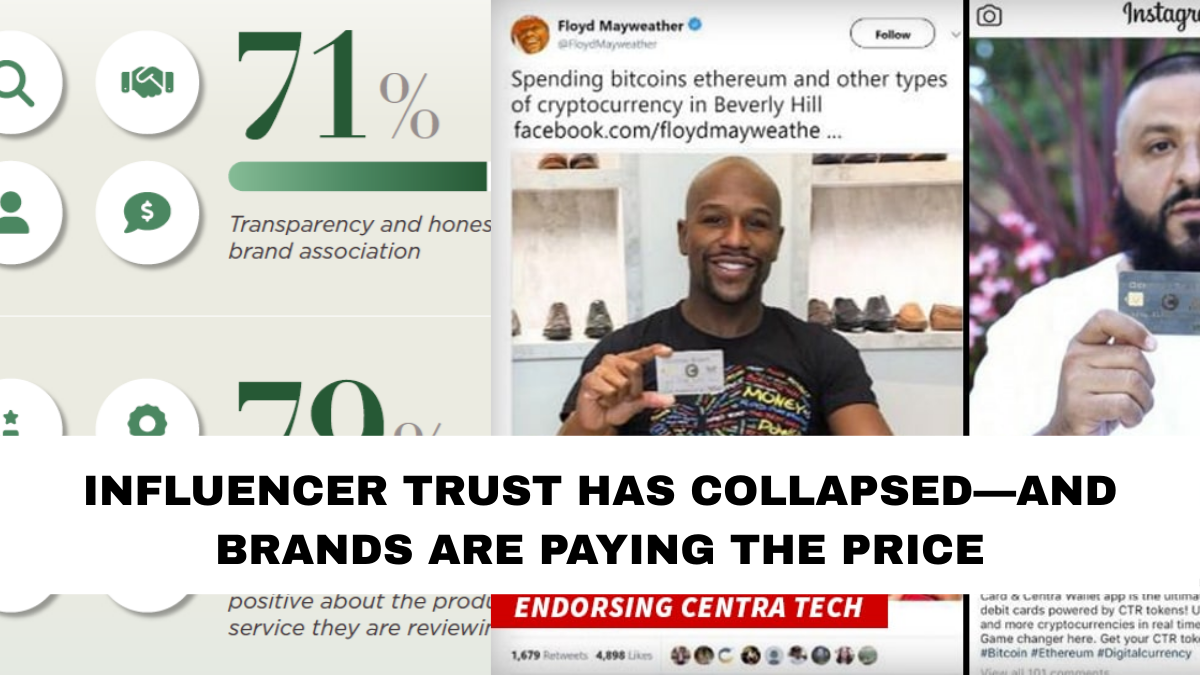
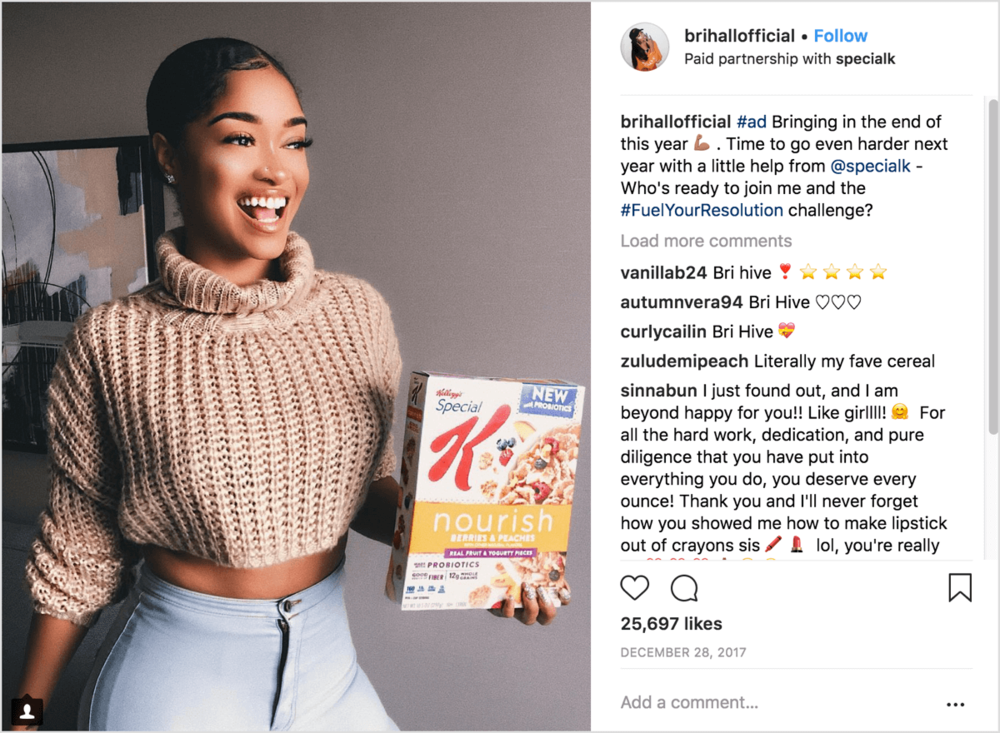
The influencer trust collapse in 2026 is no longer a niche concern—it’s a measurable shift in audience behavior. Followers are scrolling past sponsored posts faster, questioning endorsements openly, and calling out creators who promote products they clearly don’t use. What once felt aspirational now feels transactional.
Brands are noticing the damage first. Campaigns that used to convert effortlessly are underperforming, even with massive reach. The missing ingredient isn’t visibility—it’s belief.
Why Influencer Trust Has Collapsed So Quickly
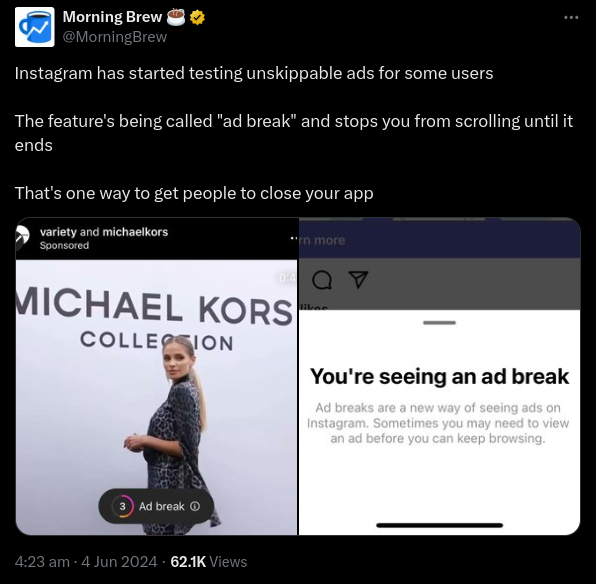

The speed of the influencer trust collapse shocked even marketers.
Key accelerators include:
• Oversaturation of sponsored content
• Repetitive product promotions
• Creators endorsing competing brands weeks apart
• Lack of real-world usage proof
When everything is an ad, nothing feels honest.
How Audience Skepticism Shows Up Today
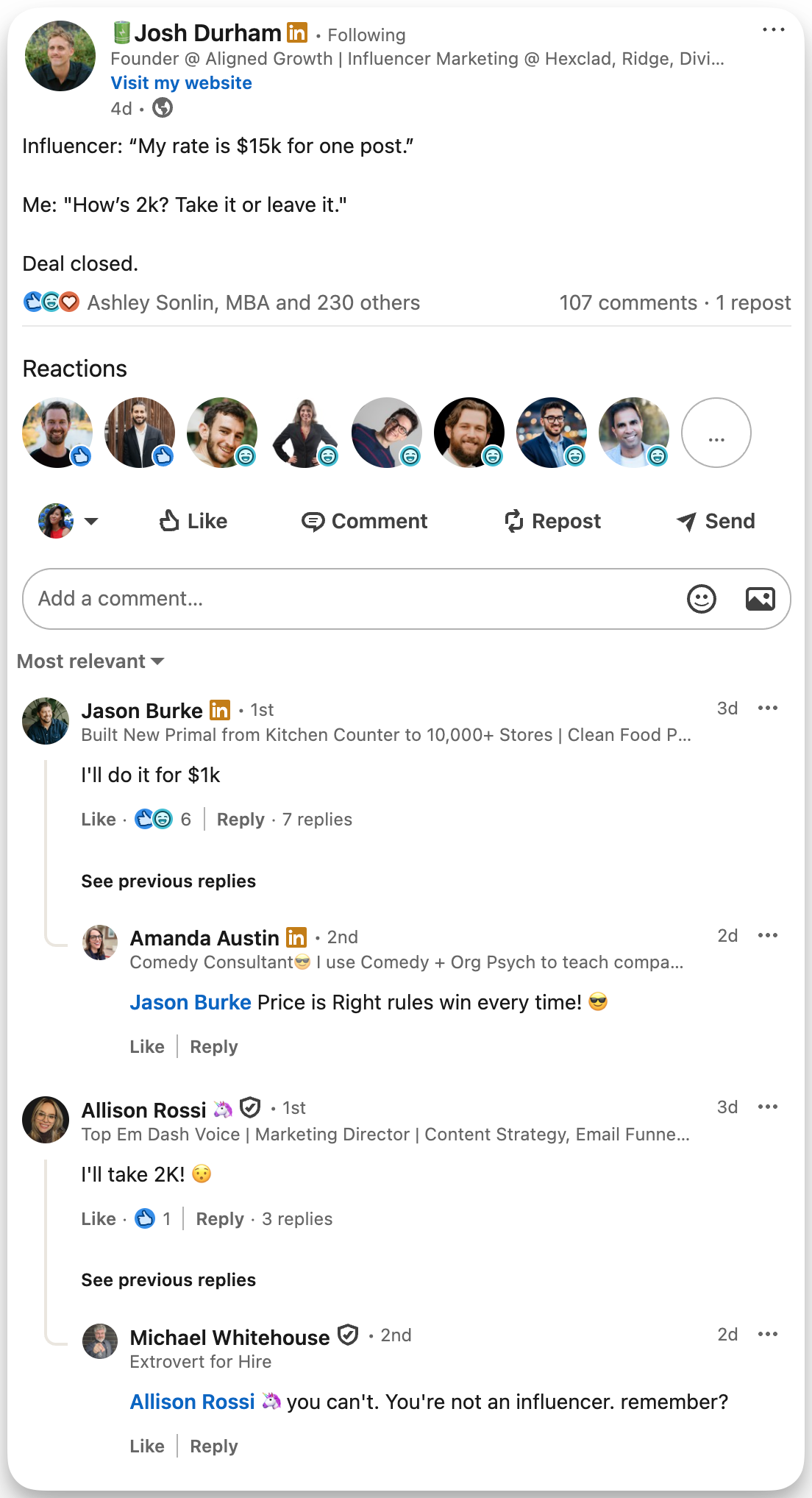
Audience skepticism isn’t silent anymore—it’s public.
Common reactions:
• “Do you actually use this?” comments
• Side-by-side screenshots of conflicting ads
• Low saves and shares on sponsored posts
• Higher unfollow rates after promotions
The influencer trust collapse is visible right under the post.
Why Reach Still Looks High—but Impact Is Low

Brands often misread campaign results.
What’s happening:
• Reach metrics stay inflated
• Click-through rates drop
• Conversions fall sharply
• Comments skew negative or indifferent
The audience sees the ad—but doesn’t act. Trust, once lost, doesn’t show up in dashboards.
The Role of Repetitive Niches and Scripts
ther driver of the influencer trust collapse is sameness.
Viewers notice:
• Identical talking points across creators
• Reused phrases and “authentic” disclaimers
• Predictable storytelling arcs
When authenticity sounds scripted, it stops working.
Why Younger Audiences Are the Most Distrustful
Gen Z and younger millennials grew up inside advertising—they recognize it instantly.
They value:
• Transparency over polish
• Real flaws over perfection
• Long-term use over one-off praise
The influencer trust collapse is strongest where digital literacy is highest.
How Brands Are Misreading the Problem

Many brands assume the issue is execution—not trust.
Common misdiagnoses:
• “The creator wasn’t big enough”
• “We need more frequency”
• “The content wasn’t exciting”
In reality, the audience simply doesn’t believe the endorsement.
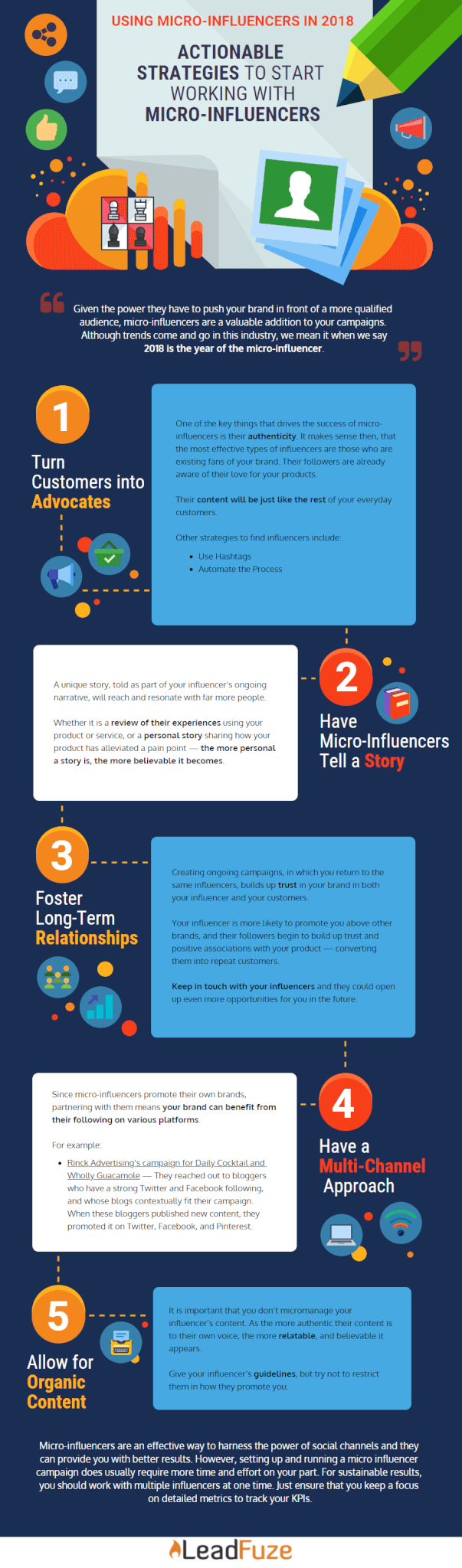
Why Micro-Influencers Aren’t a Magic Fix Anymore
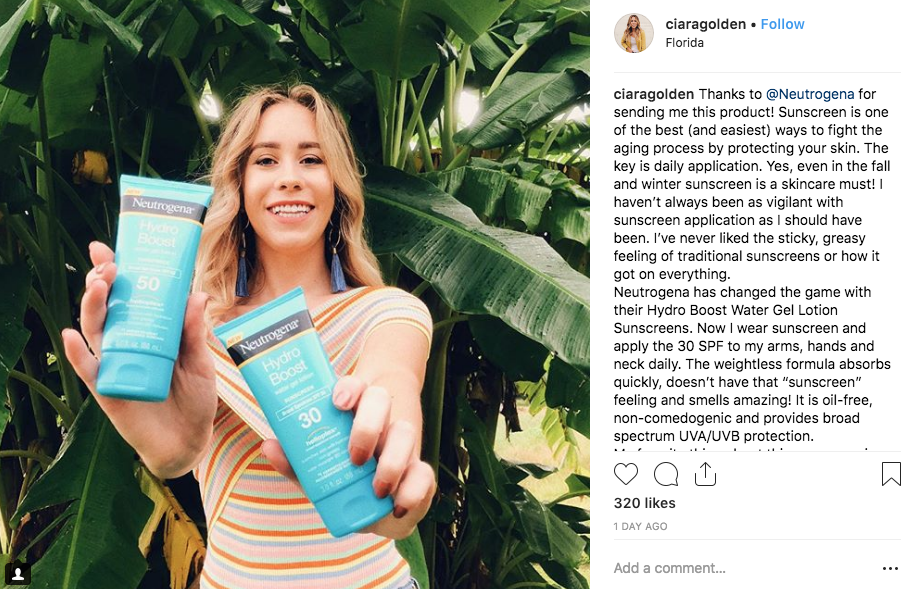
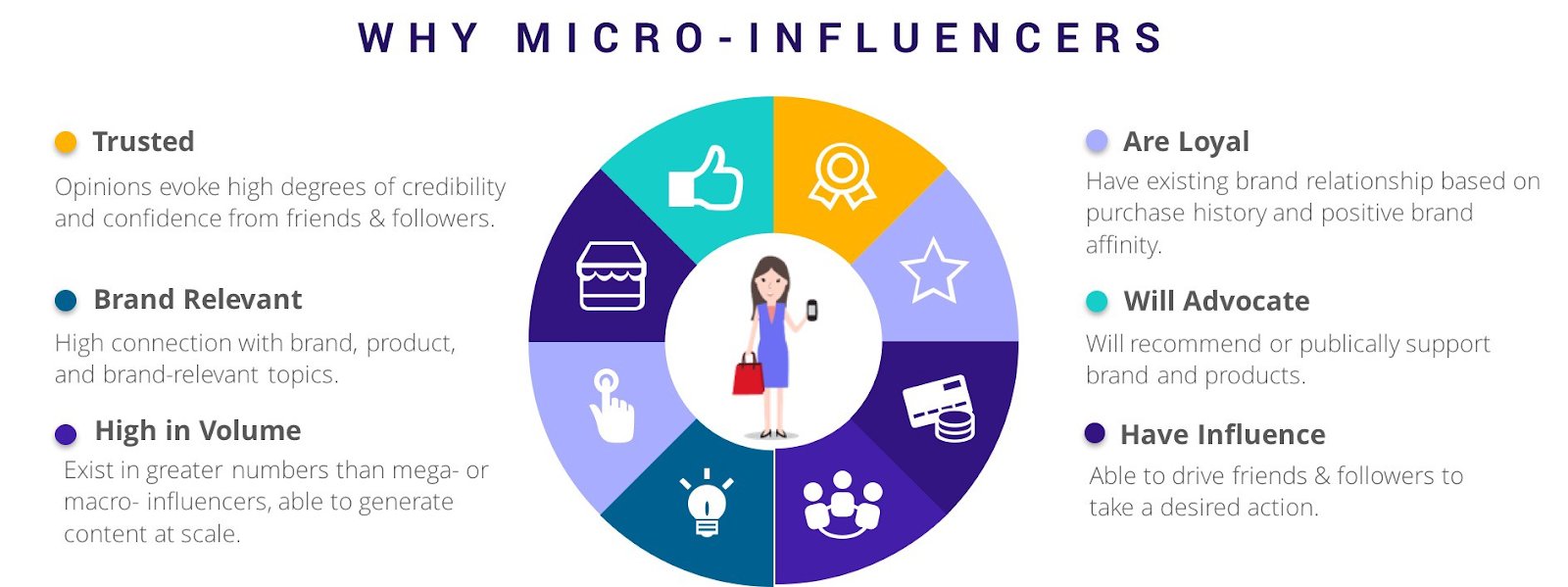

Micro-influencers once felt safer. In 2026, that advantage is fading.
Why:
• They follow the same sponsorship playbook
• Audiences recognize ads regardless of size
• Smaller reach doesn’t equal higher trust
The influencer trust collapse affects the entire spectrum.
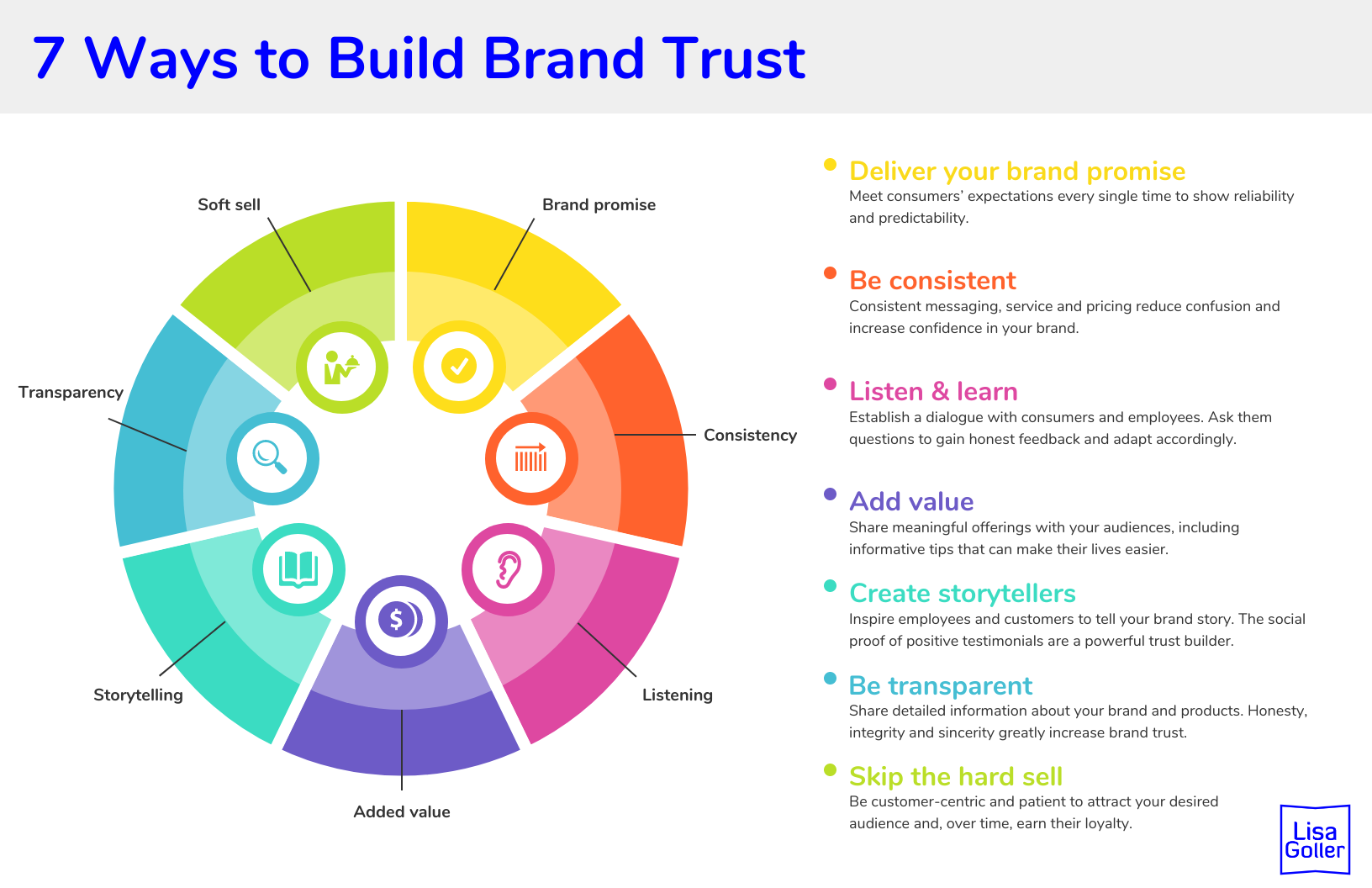
What Actually Rebuilds Trust With Audiences
Trust doesn’t return through better scripts—it returns through behavior.
What works now:
• Long-term partnerships over one-offs
• Showing product downsides honestly
• Fewer promotions, more usage proof
• Clear separation between ads and opinions
Authenticity isn’t claimed—it’s demonstrated.
Why This Shift Is Permanent
The influencer trust collapse isn’t a phase—it’s a correction.
Audiences now:
• Question endorsements by default
• Trust peers over personalities
• Value experience over aspiration
The old influence model won’t return unchanged.
Conclusion
The influencer trust collapse of 2026 marks the end of blind belief. Audiences didn’t suddenly turn cynical—they became informed. Brands that ignore this shift will keep paying for reach without results.
Influence still exists—but it now demands consistency, restraint, and proof. Without trust, influence is just noise.
FAQs
Why has influencer trust collapsed in 2026?
Because oversponsored, repetitive promotions eroded authenticity.
Are influencer campaigns still effective?
Only when built on long-term trust and genuine use.
Is this affecting all influencers?
Yes—large and small creators are impacted.
Why are audiences more skeptical now?
Digital literacy and ad exposure have increased dramatically.
Can influencer trust be rebuilt?
Yes, but only through transparency, honesty, and consistency.
Click here to know more.