What started as a growth hack has turned into a long-term trap. In 2026, ecommerce discount addiction is one of the biggest reasons brands struggle to grow profitably—even with rising traffic. Shoppers aren’t loyal anymore. They aren’t excited either. They’re trained to wait.
Brands think discounts drive sales. In reality, they’re training customers to never buy without one.
How Ecommerce Discount Addiction Took Over

Discounting didn’t explode overnight—it crept in quietly.
How it escalated:
• Competitors undercut prices
• Platforms rewarded short-term spikes
• Ad costs rose, margins shrank
• Discounts became the easiest lever
Soon, discounts stopped being a tactic and became the default business model—fueling ecommerce discount addiction.
Why Customers No Longer Buy at Full Price

Modern shoppers are conditioned.
Customer behavior now looks like:
• Browsing first, buying later
• Comparing prices across platforms
• Waiting for “inevitable” sales
• Ignoring urgency messages
Once ecommerce discount addiction sets in, full price feels like a mistake—not a norm.
The Psychology Behind Discount Dependency
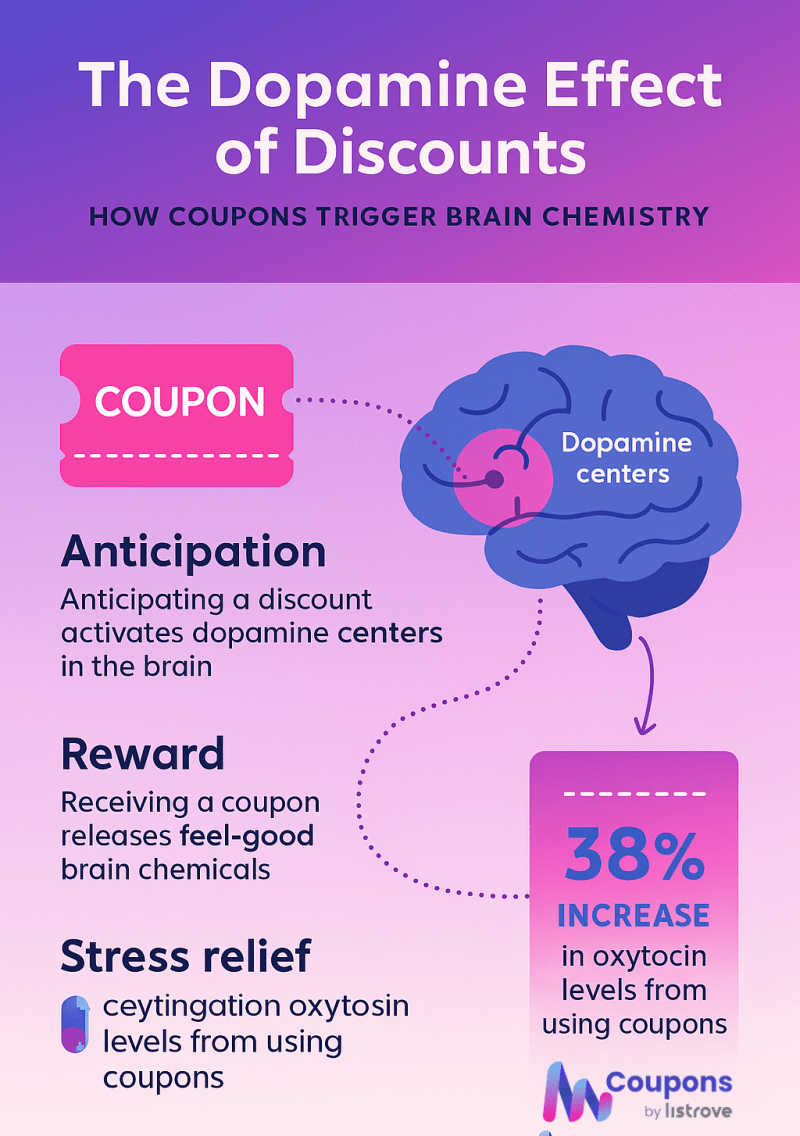
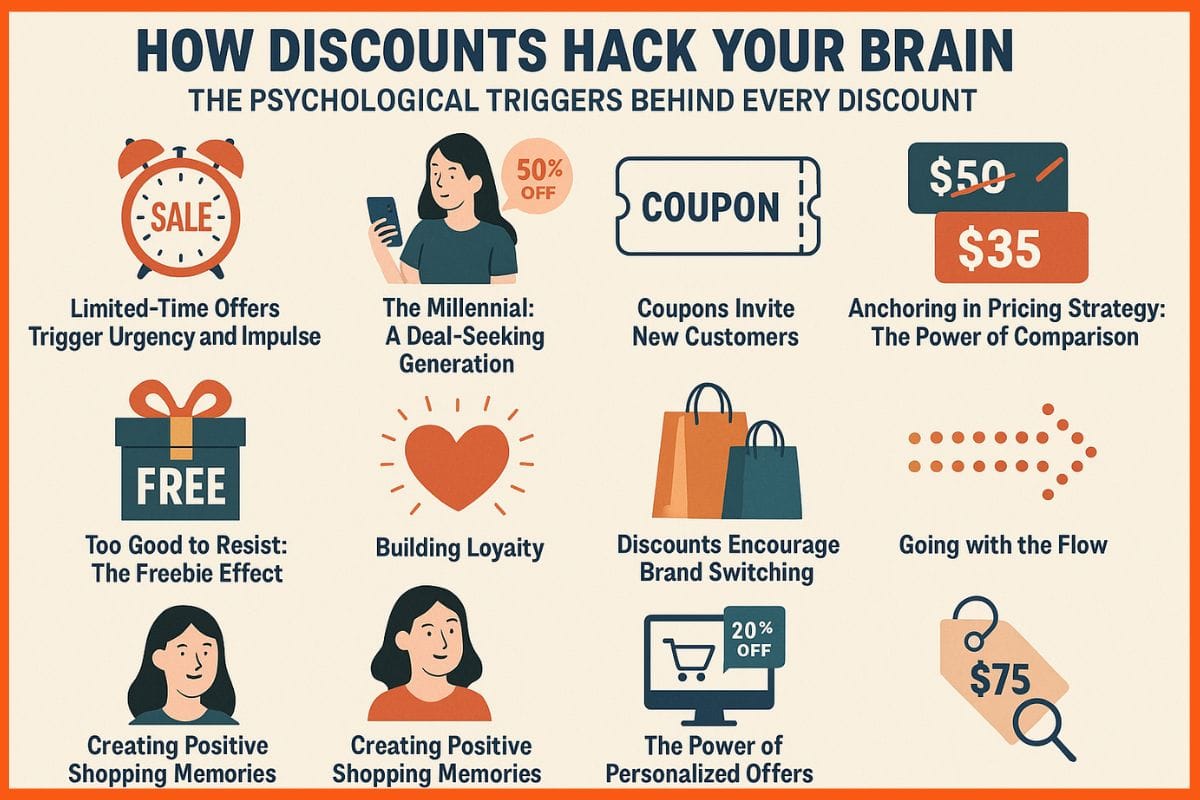
Discounts trigger emotion, not logic.
Psychological effects:
• Dopamine hit from “winning a deal”
• Fear of overpaying
• Anchoring to the lowest price seen
• Reduced perceived value of the product
Over time, customers stop valuing the product—only the discount.
Why Flash Sales and Countdown Timers Stopped Working
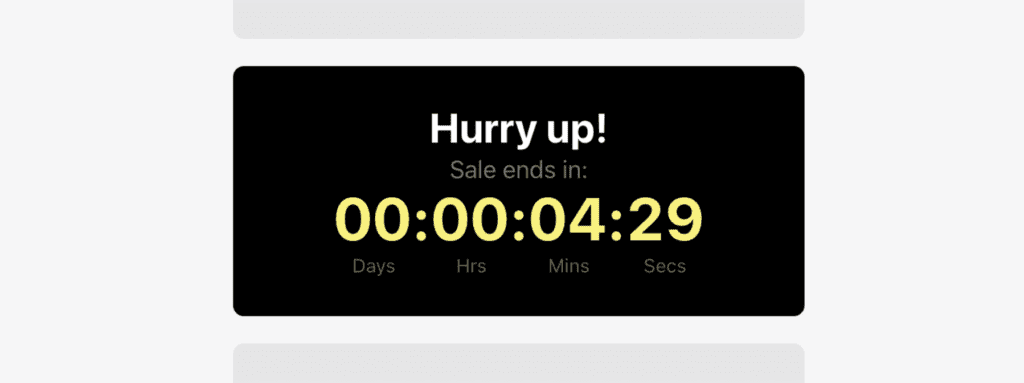
Urgency used to convert. Now it’s ignored.
Why:
• Everyone uses the same tactics
• Timers reset repeatedly
• “Limited stock” feels fake
• Trust erodes fast
Ecommerce discount addiction killed urgency by overusing it.
How Discounts Destroy Brand Perception
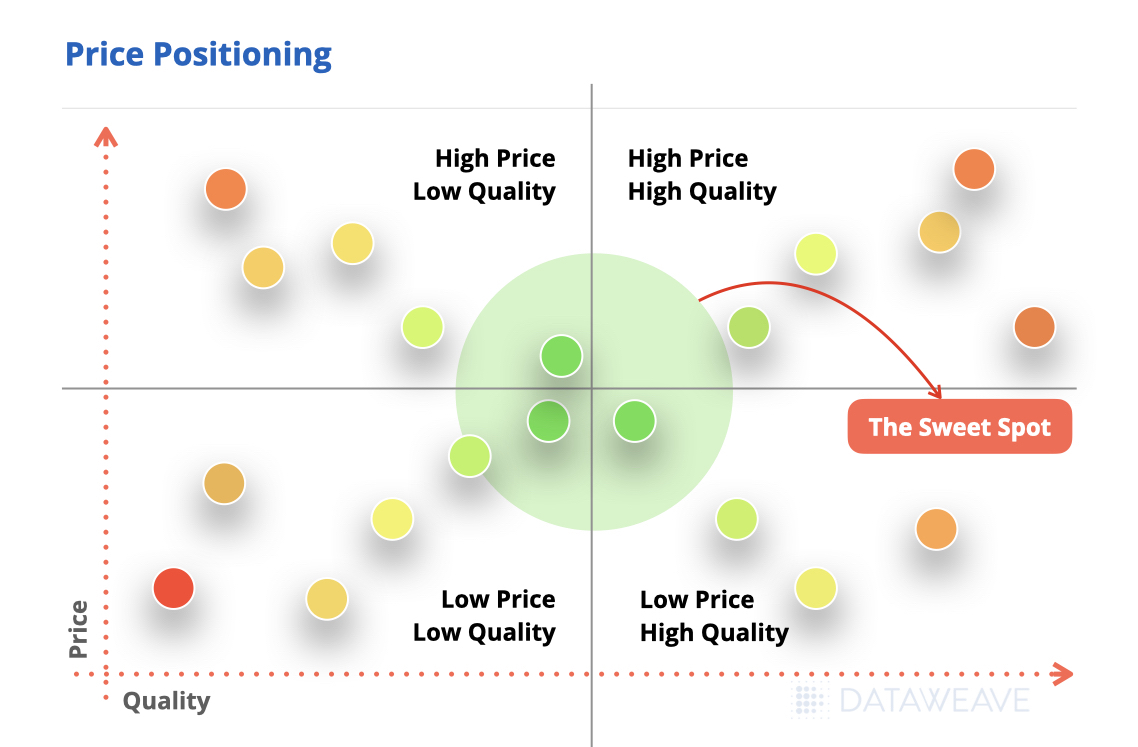

Pricing sends a signal—whether brands realize it or not.
Over-discounting communicates:
• “This isn’t worth full price”
• “Wait, it’ll be cheaper later”
• “We’re desperate for sales”
Brands lose authority long before they lose revenue.
The Hidden Cost: Margin Erosion and Growth Illusion

Sales numbers lie when discounts dominate.
What brands experience:
• Higher order volume, lower profit
• Rising ad spend to sustain sales
• Cash flow stress
• No room to invest in product or service
Ecommerce discount addiction creates growth illusions—not sustainable businesses.
Why Loyalty Programs Often Make It Worse
ny loyalty programs are just discounts in disguise.
Common mistakes:
• Rewards only tied to price cuts
• No emotional or experiential value
• Training repeat buyers to expect deals
Loyalty built on discounts collapses the moment discounts stop.
What High-Performing Brands Do Differently
Brands escaping ecommerce discount addiction change the equation.
What works better:
• Fewer discounts, higher confidence
• Value-based pricing explanations
• Bundles instead of cuts
• Storytelling over sales pressure
They sell reasons, not reductions.
How to Reduce Discounts Without Killing Sales
The exit must be gradual—but intentional.
Effective steps:
• Reduce frequency before depth
• Replace discounts with bonuses
• Educate customers on value
• Reward loyalty with access, not price
Breaking ecommerce discount addiction is possible—but uncomfortable.
Why This Shift Matters More in 2026
With rising costs and smarter consumers, discounts are no longer a safety net.
In 2026:
• Margins matter more than volume
• Trust beats urgency
• Brand strength beats pricing tricks
Those who don’t adapt will keep selling more—and earning less.
Conclusion
Ecommerce discount addiction feels like survival, but it’s slow self-destruction. Discounts don’t build loyalty—they delay decisions and erode value. Brands that win in 2026 will be the ones brave enough to price confidently, communicate clearly, and stop apologizing for their worth.
Selling less—at the right price—beats selling more at a loss.
FAQs
What is ecommerce discount addiction?
A dependency on constant discounts to drive sales, which erodes margins and brand value.
Do discounts always hurt ecommerce brands?
Occasional, strategic discounts don’t—but constant ones do.
Why don’t urgency tactics work anymore?
Because shoppers recognize and ignore overused tactics.
Can brands recover after heavy discounting?
Yes, with gradual pricing resets and value-focused communication.
What’s the alternative to discounts?
Bundling, storytelling, premium positioning, and non-price incentives.
Click here to know more.