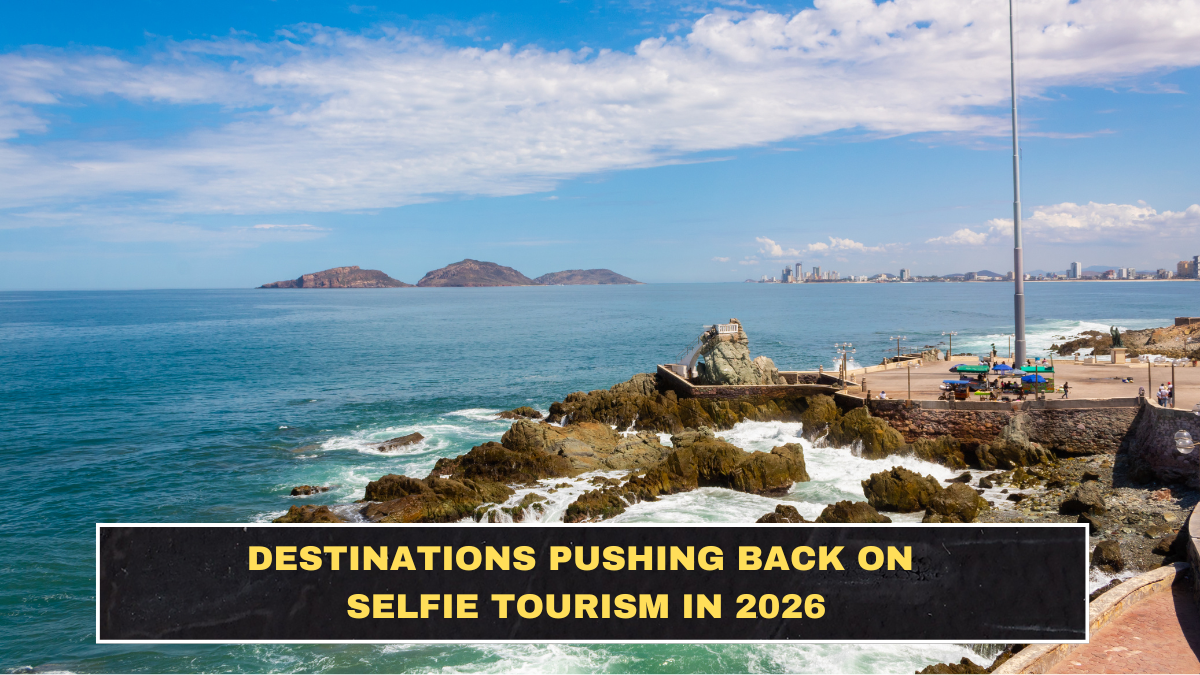
Because what looks harmless on Instagram often turns into a headache on the ground. A scenic viewpoint goes viral, then comes the traffic, the litter, the trespassing, the crowding, and the endless stream of people trying to recreate the exact same photo. This is not really about hating selfies. It is about what happens when social media turns a place into a content factory and locals are left dealing with the mess. In 2026, more destinations are reacting less politely and more directly because they are tired of pretending this is just normal tourism.
Which destinations are already pushing back the hardest?
The Dolomites are one of the clearest examples in 2026. Reuters reported that locals and environmental groups are pushing back against social media-driven overtourism there, especially as viral beauty spots become crowded “selfie spots” ahead of the Winter Olympics. The concern is not abstract. It includes trail erosion, traffic congestion, pressure on water resources, and a growing feeling that famous viewpoints are being consumed faster than they can be protected.
Japan has also become one of the most visible examples of selfie-tourism backlash. In Fujikawaguchiko, authorities famously installed a large barrier to block a viral Mount Fuji photo spot near a Lawson convenience store after tourists kept littering, jaywalking, and creating safety problems. Reuters reported the screen was about 20 metres long and 2.5 metres high, which tells you this was not some symbolic gesture. It was a blunt attempt to stop one specific kind of tourist behavior.
Nearby Fujiyoshida has also tightened control after overcrowding near Mount Fuji. AP reported that local officials canceled a cherry blossom festival because huge tourist numbers were causing congestion, littering, and trespassing. That was not technically a “selfie ban,” but the underlying pattern is the same: social media attention creates crowd surges, and local authorities respond by making access harder.
Are these actual selfie bans or just restrictions around them?
Usually, they are not formal laws saying “selfies are banned.” That headline sounds dramatic, but it is often lazy. What destinations are really doing is blocking views, limiting access, capping parking, canceling events, fencing off hotspots, or discouraging geotagging and viral promotion. In other words, they are going after the behavior around selfie tourism rather than trying to police every photo. That is a smarter strategy, because the real problem is not the phone camera. It is the swarm effect social media creates.
| Destination | What changed? | Why it matters |
|---|---|---|
| Dolomites | Push for stricter controls at viral beauty spots | Social media is turning fragile landscapes into crowd magnets |
| Fujikawaguchiko | Barrier installed at viral Mount Fuji photo spot | Authorities acted after safety and nuisance complaints |
| Fujiyoshida | Event cancellations and tighter controls near Mount Fuji | Viral attention is affecting normal local life |
Why are locals getting so frustrated?
Because from their side, this does not look like cute travel culture. It looks like strangers blocking roads, ignoring signs, trampling spaces, and treating neighborhoods like backdrops. Reuters said the Mount Fuji barrier followed complaints about littering, illegal parking, and dangerous crossings. AP said the town had already tried signs and security guards before putting up the screen. That matters because it shows restrictions are often not the first move. They are what happens after softer solutions fail.
The same thing is happening in the Dolomites, where Reuters described residents and activists as increasingly alarmed by the damage caused by viral tourism. Once a place becomes a must-post backdrop, the local experience changes fast. What was once a mountain, a road, or a village starts functioning like a queue for content. That is the part many travelers do not want to hear, because it makes their “dream shot” sound less innocent than they prefer.
What does this mean for travelers in 2026?
It means travelers need to stop assuming every photogenic place is there to be mined for content. Some destinations will block access. Some will impose parking controls or crowd caps. Some will quietly make the experience worse on purpose if that is what it takes to calm things down. The travel mindset that says “I came all this way, so I deserve the shot” is exactly the mindset creating the backlash. Places are still open to visitors, but they are becoming less patient with behavior that turns public spaces into social media sets.
Is this trend likely to grow?
Yes, because the pressure behind it is not going away. Viral travel keeps concentrating attention on the same handful of places, and destinations are learning that once a spot blows up online, the costs arrive quickly. Some will use screens. Some will use fees. Some will restrict traffic or access. But the direction is clear: if selfie tourism keeps overwhelming local life, more destinations will push back. Not because they hate tourists, but because they are done absorbing the damage for free.
FAQs
Are destinations literally banning selfies?
Usually no. Most places are not banning the act of taking a selfie. They are restricting access, blocking views, or controlling crowd behavior around viral photo spots.
Which destination is the clearest 2026 example?
The Dolomites are one of the clearest 2026 examples because Reuters specifically described a pushback against social media-driven “selfie spots” ahead of the Winter Olympics.
Why did the Mount Fuji barrier become such a big story?
Because authorities in Fujikawaguchiko put up a large screen to block a famous viral photo view after repeated problems with littering, illegal parking, trespassing, and dangerous road crossings.
Will more places start doing this?
Probably yes. As more destinations deal with overtourism driven by viral content, more are likely to use barriers, access rules, and crowd controls to manage the fallout.