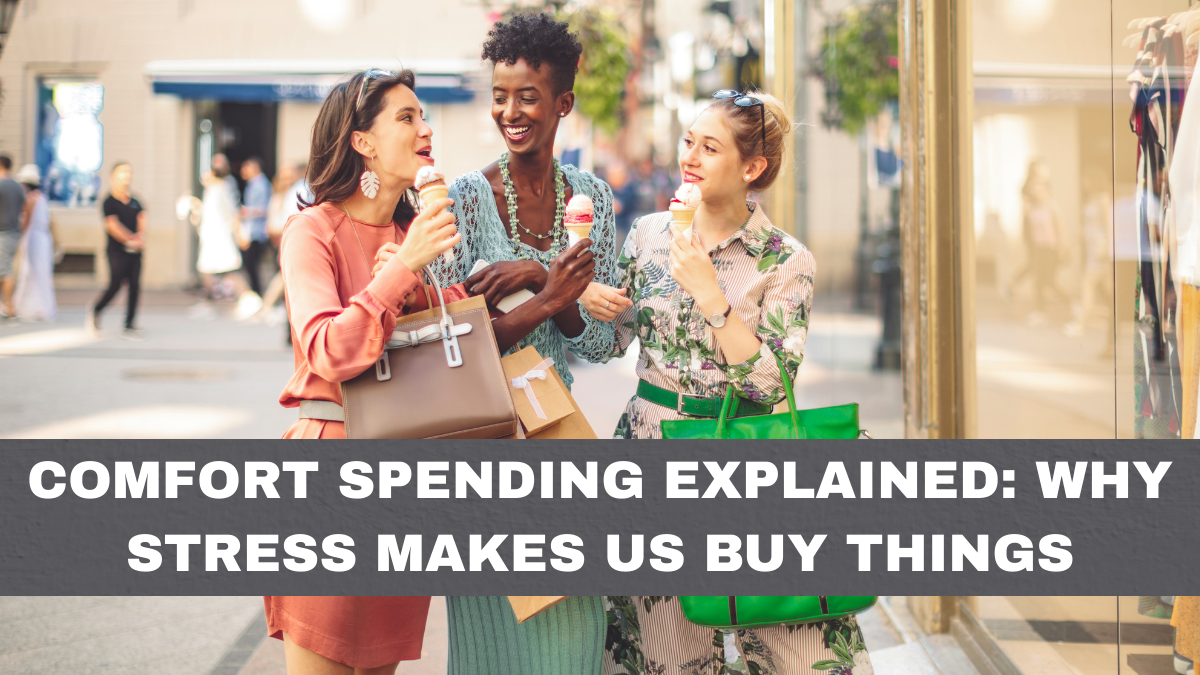
Most people believe they spend money logically. In reality, a large portion of spending has nothing to do with need, value, or planning. It’s emotional. Comfort spending happens when buying becomes a way to regulate stress, boredom, anxiety, or emotional discomfort. The purchase isn’t about the item—it’s about relief.
What makes emotional shopping hard to control is that it works. At least temporarily. The brain receives a dopamine hit, tension eases, and the discomfort fades. But the relief doesn’t last. The habit does.
What Comfort Spending Really Is
Comfort spending is the use of purchases to manage emotions rather than meet practical needs.
It usually happens when:
• Stress levels are high
• Energy is low
• Self-control is depleted
• Emotions feel unresolved
The spending feels justified in the moment because the emotional need is real—even if the purchase isn’t necessary.
Why Stress Triggers Spending
Stress narrows the brain’s focus to immediate relief. Long-term consequences fade into the background.
Under stress:
• Impulse control weakens
• Reward-seeking increases
• Future thinking declines
This makes emotional shopping more likely at the exact moment people are least able to resist it.
The Dopamine Loop Behind Emotional Shopping
Buying something new triggers dopamine—a neurotransmitter linked to reward and motivation.
The loop looks like this:
• Emotional discomfort
• Purchase anticipation
• Dopamine release
• Temporary relief
• Emotional crash
Over time, the brain learns that spending equals relief, reinforcing the habit.
Why Comfort Spending Feels Deserved
People rarely label their purchases as emotional. They frame them as rewards.
Common justifications include:
• “I’ve had a hard day”
• “I earned this”
• “It’s a small treat”
These narratives protect the behavior from scrutiny, allowing comfort spending to repeat.
Emotional Shopping Isn’t About Weakness
Comfort spending isn’t a discipline problem. It’s a coping strategy.
People turn to spending because:
• Emotions aren’t being processed
• Rest feels inaccessible
• Support feels distant
Spending becomes the easiest available regulation tool.
Why Online Shopping Makes It Worse
Digital platforms remove friction from buying.
They:
• Reduce waiting time
• Offer instant gratification
• Personalize temptation
• Normalize impulse purchases
This makes emotional shopping faster, quieter, and harder to notice.
Common Triggers for Comfort Spending
While stress is a major driver, other triggers include:
• Boredom and emptiness
• Loneliness
• Fatigue
• Social comparison
• Decision fatigue
These states lower resistance and increase reward-seeking behavior.
Why Guilt Follows Comfort Spending
Relief fades quickly. Guilt takes its place.
Guilt happens because:
• The emotional need wasn’t actually resolved
• Financial goals were compromised
• Self-trust eroded
This guilt can trigger more stress—feeding the cycle.
The Difference Between Enjoyment and Regulation
Spending itself isn’t bad. The issue is why you’re spending.
Healthy enjoyment:
• Is intentional
• Aligns with values
• Doesn’t feel urgent
Comfort spending:
• Feels compulsive
• Happens under stress
• Leaves emotional residue
Awareness separates the two.
How to Interrupt the Comfort Spending Cycle
Breaking the habit doesn’t require cutting spending entirely. It requires creating alternatives for emotional regulation.
Helpful strategies include:
• Pausing before purchases
• Naming the emotion driving the urge
• Creating non-financial comfort rituals
• Reducing shopping triggers during stress
The goal isn’t restriction—it’s substitution.
Building Emotional Awareness Around Money
Money behavior improves when emotions are acknowledged, not suppressed.
This involves:
• Tracking emotional states, not just expenses
• Noticing patterns without judgment
• Separating self-worth from spending
Awareness weakens emotional shopping more than rules ever will.
Why Comfort Spending Is So Common Today
Modern life produces constant low-grade stress with limited recovery. Comfort spending fills the gap.
It thrives because:
• Stress is normalized
• Rest feels unproductive
• Emotional expression is limited
Spending becomes the fastest available relief.
Conclusion
Comfort spending isn’t about materialism—it’s about emotional survival. Emotional shopping offers short-term relief when stress overwhelms coping capacity. But without awareness, the cycle repeats, draining finances and emotional resilience.
Understanding comfort spending transforms shame into insight. When emotions are addressed directly, spending naturally becomes more intentional—and relief no longer needs a price tag.
FAQs
What is comfort spending?
It’s spending driven by emotional needs rather than practical necessity.
Why does stress increase spending?
Because stress reduces impulse control and increases the desire for immediate relief.
Is emotional shopping harmful?
Occasional emotional spending isn’t harmful, but habitual use can damage finances and emotional health.
How can I stop comfort spending?
By identifying emotional triggers and replacing spending with healthier coping mechanisms.
Does online shopping make comfort spending worse?
Yes. Reduced friction and instant gratification amplify emotional shopping behaviors.
Click here to know more.