India has been witnessing an ongoing discussion around protein deficiency, with recent reports sparking nationwide debate. Despite economic growth and increased access to food, studies indicate that a significant portion of Indians still consume less protein than recommended, affecting health outcomes across all age groups. The India protein deficiency debate 2026 focuses on updated data, nutritional gaps, and potential solutions to address this widespread concern.
Protein is vital for growth, immunity, muscle repair, and overall health. Experts warn that inadequate intake can lead to stunted growth in children, weakened immunity, fatigue, and other health challenges. The discussion around protein deficiency in India is not only about awareness but also about practical dietary changes and public health strategies.

Current Status of Protein Intake in India
Recent surveys and nutrition studies reveal that protein consumption in India remains below global standards for many population groups:
-
The average Indian consumes around 50–60 grams of protein per day, whereas recommended levels for adults are 65–75 grams.
-
Children and adolescents often fall short of the 40–50 grams daily requirement, leading to growth and developmental concerns.
-
Plant-based diets dominate the Indian food culture, which can be protein-poor if not properly balanced with legumes, pulses, and dairy.
Urban populations tend to have better protein access compared to rural areas, yet lifestyle habits, affordability, and awareness gaps continue to affect dietary choices.
Causes of Protein Deficiency in India
Several factors contribute to protein deficiency, fueling the ongoing debate:
-
Dietary Preferences: Vegetarianism and reliance on cereals can limit high-quality protein intake.
-
Economic Constraints: Low-income households may prioritize calorie-rich, low-protein staples.
-
Lack of Awareness: Many individuals underestimate their protein requirements or are unaware of diverse protein sources.
-
Health and Lifestyle: Busy schedules, processed foods, and skipped meals reduce protein consumption.
-
Cultural Habits: Traditional meals may focus more on carbohydrates and fats than proteins, particularly in rural diets.
Understanding these causes is crucial for devising solutions that are culturally appropriate and sustainable.
Consequences of Protein Deficiency
Protein deficiency has multiple short-term and long-term impacts on health, particularly in India:
-
Growth and Development: Children with low protein intake may experience stunted growth and delayed milestones.
-
Muscle Weakness and Fatigue: Adults may feel fatigued and have lower physical endurance.
-
Immune System Compromise: Proteins are essential for antibodies; deficiencies can increase susceptibility to infections.
-
Mental Health Effects: Low protein diets may influence mood, focus, and cognitive performance.
-
Chronic Health Risks: Inadequate protein can contribute to obesity, metabolic syndrome, and other non-communicable diseases.
The cumulative effects highlight why the protein deficiency debate India 2026 is attracting attention from health authorities, nutritionists, and policymakers.
Protein-Rich Foods and Dietary Solutions
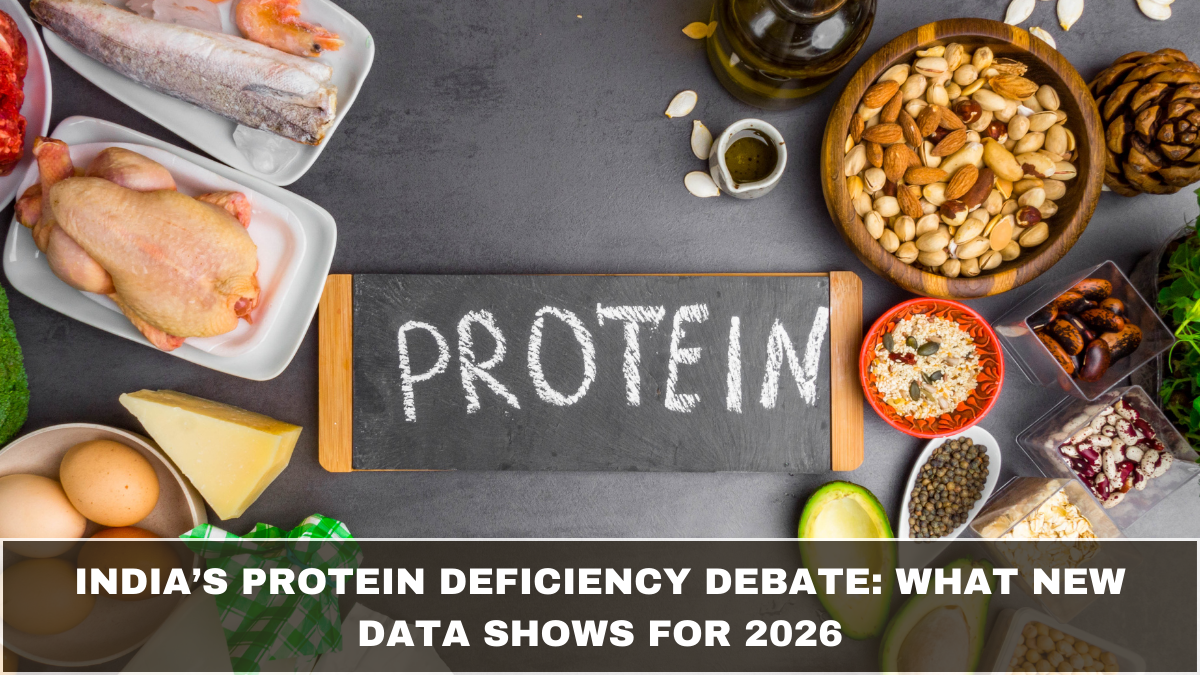
Addressing protein deficiency involves incorporating high-quality protein sources into daily diets. Popular options in India include:
-
Legumes and Pulses: Lentils, chickpeas, kidney beans, and black-eyed peas.
-
Dairy Products: Milk, curd, paneer, and cheese provide complete proteins.
-
Eggs and Meat: For non-vegetarians, eggs, chicken, fish, and lean meats are excellent sources.
-
Nuts and Seeds: Almonds, peanuts, chia seeds, and flaxseeds complement meals.
-
Fortified Foods: Ready-to-eat cereals and protein-enriched flours can help bridge gaps.
-
Plant-Based Alternatives: Soy products, tofu, and protein powders support vegetarian or vegan diets.
Experts emphasize the importance of balanced meals that combine proteins with essential vitamins and minerals to optimize absorption and benefits.
Public Health Initiatives and Awareness
The Indian government and NGOs are increasingly focused on tackling protein deficiency:
-
Nutritional campaigns educating about protein-rich diets.
-
Mid-day meal programs in schools emphasizing lentils, eggs, and dairy.
-
Subsidies for pulses, milk, and fortified foods to improve affordability.
-
Collaboration with local communities to promote kitchen gardens and protein-rich crops.
Awareness and accessibility are key to addressing gaps and ensuring long-term health improvements across all population segments.
Cultural Shifts and Lifestyle Adaptations
Dietary habits are gradually changing in urban India. With fitness trends, vegan alternatives, and awareness campaigns, more Indians are actively seeking protein-rich meals. Meal planning apps, influencer-led diet routines, and protein-focused recipes are increasingly popular, reflecting a growing consciousness about the role of proteins in maintaining wellness.
Conclusion
The India protein deficiency debate 2026 underscores the importance of awareness, dietary diversity, and accessible solutions. While the country faces challenges due to traditional diets, economic disparities, and lifestyle factors, there is a clear path toward improvement. By promoting protein-rich foods, fortification programs, and nutritional education, India can reduce deficiency rates, improve health outcomes, and foster a stronger, healthier population.
FAQs
What is the current protein intake status in India?
Average daily protein intake is around 50–60 grams, which is below recommended levels for adults and children.
Who is most at risk of protein deficiency in India?
Children, adolescents, rural populations, and vegetarians with unbalanced diets are most vulnerable.
What are the main causes of protein deficiency?
Dietary habits, economic constraints, lack of awareness, and lifestyle factors contribute to deficiency.
Which foods are best for increasing protein intake?
Legumes, dairy, eggs, meat, nuts, seeds, soy products, and fortified foods are ideal sources.
How is India addressing protein deficiency in 2026?
Through public awareness campaigns, school meal programs, subsidies for pulses and dairy, and promotion of kitchen gardens.