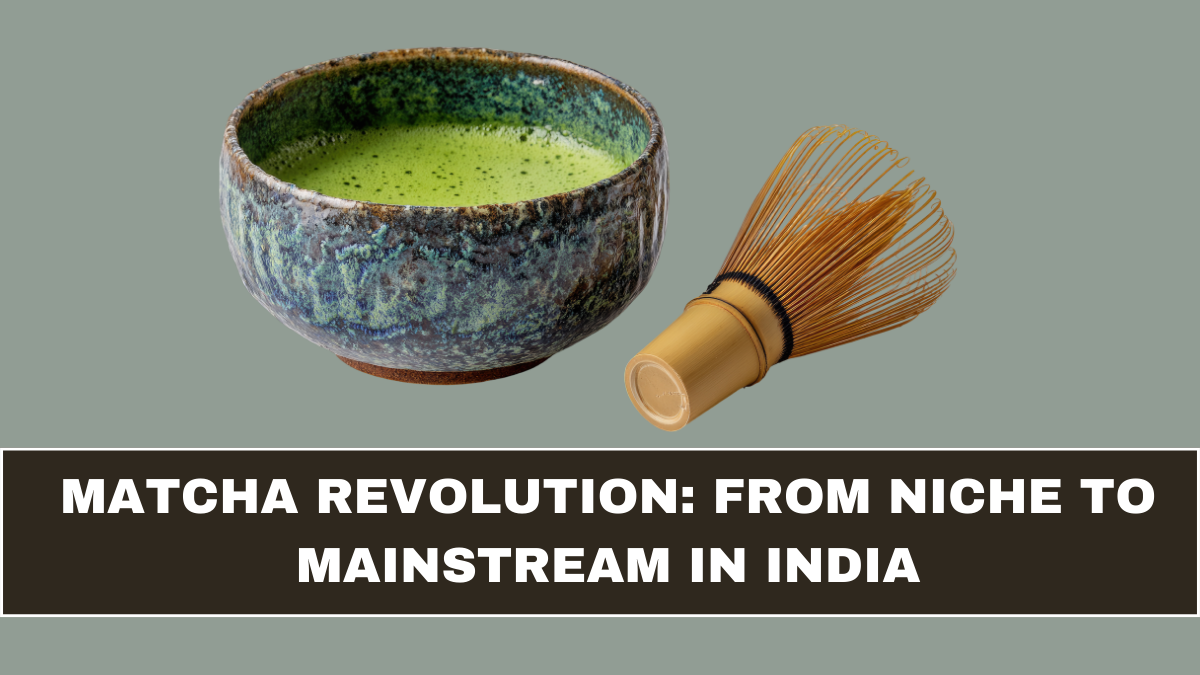
The Matcha revolution has reshaped India’s beverage landscape, turning what was once a niche Japanese tea into one of the most popular healthy drinks across cafés, wellness spaces and home kitchens. Known for its vibrant green color and antioxidant benefits, matcha has become a symbol of mindful consumption and modern wellness.
From fitness enthusiasts to casual café-goers, the Matcha revolution reflects India’s growing preference for beverages that combine taste, aesthetics and health benefits.

What Is Matcha and Why Is It Different?
Matcha is a finely ground green tea powder made from specially grown tea leaves. Unlike regular tea, matcha involves consuming the entire leaf, making it richer in nutrients.
What sets matcha apart:
• High antioxidant content
• Smooth, earthy flavor
• Natural caffeine with calm energy
• Vibrant green appearance
These qualities make matcha a standout among healthy drinks.
How the Matcha Revolution Started in India
The Matcha revolution in India began through:
• Global wellness trends
• Exposure through travel and social media
• Café experimentation with global beverages
• Fitness and yoga communities
As awareness grew, matcha shifted from specialty stores to mainstream cafés.
Why Matcha Fits Perfectly into India’s Wellness Culture
India’s strong wellness traditions made it easier for the Matcha revolution to gain momentum.
Key reasons include:
• Cultural acceptance of herbal beverages
• Interest in mindful living
• Demand for functional drinks
• Growing health awareness
Matcha naturally aligned with these values, boosting its popularity.
Matcha in Indian Café Menus
Cafés have played a major role in driving the Matcha revolution by offering creative variations that appeal to Indian tastes.
Popular café-style matcha drinks include:
• Matcha latte
• Iced matcha
• Matcha frappes
• Matcha with plant-based milk
These offerings have made matcha a café staple.
Matcha vs Coffee: A Changing Preference
The Matcha revolution has also sparked comparisons with coffee, especially among health-conscious consumers.
Key differences include:
• Sustained energy without jitters
• Lower caffeine crashes
• Rich nutrient profile
• Calming focus
This shift has encouraged many to switch from coffee to matcha as their daily drink.
Matcha and the Rise of Healthy Drinks
The Matcha revolution is part of a larger movement toward healthy drinks that support overall wellbeing.
Why matcha stands out:
• Supports metabolism
• Enhances focus
• Rich in antioxidants
• Fits fitness and wellness routines
These benefits have positioned matcha as more than just a trend.
Home Brewing and DIY Matcha Culture
Home preparation has strengthened the Matcha revolution, making it accessible beyond cafés.
Common home matcha practices include:
• Traditional whisked matcha
• Matcha smoothies
• Matcha desserts
• Sugar-free matcha blends
This DIY approach has helped matcha enter everyday routines.
Social Media and the Matcha Aesthetic
Visual appeal has played a big role in the Matcha revolution.
Why matcha content performs well:
• Aesthetic green visuals
• Minimalist wellness vibes
• Café-style presentation
• Easy-to-share drink reels
This exposure continues to drive curiosity and adoption.
Is Matcha a Passing Trend or a Lifestyle Shift?
The Matcha revolution shows signs of long-term adoption rather than a short-lived trend.
Reasons it’s here to stay:
• Strong health positioning
• Café and retail support
• Growing consumer education
• Versatile usage
Matcha has moved from novelty to lifestyle staple.
Conclusion
The Matcha revolution highlights India’s shift toward conscious consumption and healthier beverage choices. As one of the most popular healthy drinks, matcha has successfully blended tradition, wellness and modern café culture. With continued innovation and growing awareness, matcha is set to remain a key player in India’s evolving drink trends.
FAQs
Why is matcha trending in India?
Its health benefits and café popularity made it mainstream.
Is matcha healthier than coffee?
It offers sustained energy with fewer caffeine crashes.
Can matcha be consumed daily?
Yes, in moderate quantities it’s safe for daily use.
Can matcha be made at home?
Yes, it requires minimal equipment and ingredients.
Is matcha suitable for Indian tastes?
Yes, its flavor can be customized with milk and sweeteners.