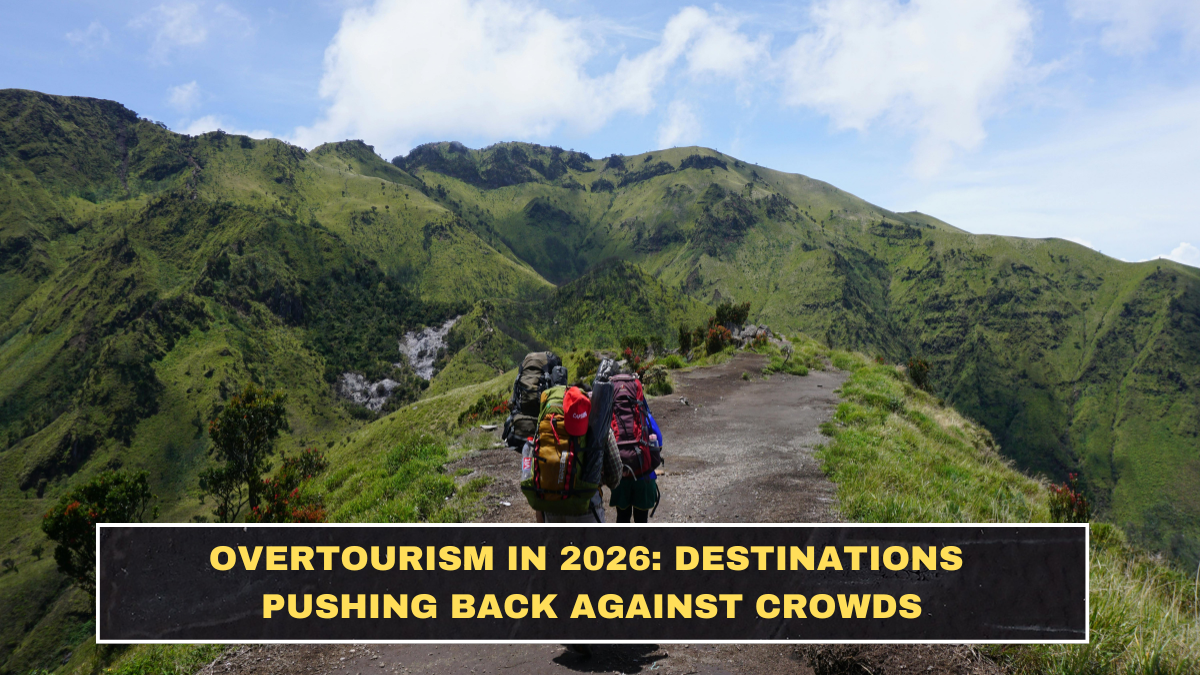
Because a lot of places are done pretending record visitor numbers are always good news. The old travel industry pitch was simple: more tourists means more money, so everyone wins. That story looks thinner now. In 2026, the backlash is less about tourists existing and more about what constant crowds do to housing, transport, heritage sites, daily life, and local patience. You can only tell residents to be grateful for the economy for so long before they notice their rent, commute, and neighborhood are getting wrecked. That is why the pushback now looks more organized, more political, and less apologetic.
Which destinations are pushing back the hardest?
Venice is still one of the clearest examples. The city’s day-tripper fee returned for 2026 and now covers more days, with visitors paying €5 if they book ahead and €10 if they book late for certain peak dates. That is not just a quirky local tax. It is a blunt message: if you want to flood the city for a few hours and add to the crush, you may have to pay for the privilege. Rome is also tightening control at headline attractions, with a €2 charge for close access to the Trevi Fountain basin during the day.
Spain remains one of the most obvious pressure points. Barcelona has doubled its tourist tax in 2026, pushing charges for some visitors to among the highest in Europe, while part of the revenue is being directed toward the housing crisis. Ibiza has also seen a sharp drop in short-term holiday rentals after Spain’s crackdown on tourist lets started to bite. None of this happened in a vacuum. Spain has had protests, water-gun stunts aimed at visitors, and growing anger over the idea that tourism is enriching the economy while hollowing out local life.
Japan is another major case, especially around Mount Fuji and other viral social-media hotspots. In Fujiyoshida, local authorities canceled the annual cherry blossom festival and imposed access restrictions after more than 10,000 foreign tourists a day were crowding the area, causing traffic, litter, and trespassing. This matters because Japan still wants more visitors overall, but the pain is concentrated in a smaller set of famous places like Kyoto, Osaka, and the Mount Fuji area. That is exactly what overtourism looks like: not a national overflow everywhere, but specific places getting hammered.
The Dolomites are also pushing back. Reuters reported that officials there are warning about overtourism fueled by social media ahead of the 2026 Winter Olympics, with growing pressure for tougher rules to protect fragile environments. This is not just about crowding in cities anymore. Natural landscapes are now getting hit by the same pattern: viral views, traffic jams, selfie culture, and locals wondering when the place stopped belonging to them.
What kinds of restrictions are becoming more common?
The pattern is getting clearer. Instead of one big “tourist ban,” places are using a mix of fees, caps, access controls, cruise restrictions, short-term rental crackdowns, and behavior rules. Cannes, for example, moved to halve the number of very large cruise ships allowed in its harbor and cap daily passenger visits at 6,000 starting this year. Capri is limiting tour group sizes, while some Italian hotspots now require timed bookings or crowd-control rules on key routes. What you are seeing is not tourism ending. You are seeing destinations get more selective and less embarrassed about managing visitors aggressively.
| Destination | What is happening in 2026? | Why it matters |
|---|---|---|
| Venice | Expanded day-tripper fee on peak days | Targets short, high-volume visits |
| Barcelona | Tourist tax doubled | Links tourism pressure to housing costs |
| Ibiza | Holiday rental crackdown biting hard | Pushback against short-term lets |
| Fujiyoshida / Mount Fuji | Festival canceled, access tightened | Social media crowds are overwhelming locals |
| Dolomites | Stronger anti-crowd push ahead of Olympics | Nature destinations are under pressure too |
| Cannes | Large cruise ship curbs, daily passenger cap | Cruise tourism is being managed more aggressively |
What does this mean for travelers?
It means travelers need to stop acting surprised when destinations treat tourism like something to manage instead of worship. If you are planning a 2026 trip, assume more fees, more timed-entry systems, stricter local rules, and less tolerance for clueless behavior. The lazy traveler mindset is still: “I paid to be here, so what is the problem?” The real answer is that paying for a flight does not erase the fact that locals still live there. Destinations are not museum sets built to absorb infinite foot traffic without consequences.
Is overtourism only a Europe problem?
No, but Europe is where the backlash is most visible and organized right now. AP reported that Europe drew 747 million international travelers in 2024, more than any other region, with Southern and Western Europe taking the biggest share. That scale is part of why protests, taxes, and restrictions have become more public there. But Japan shows clearly that the same pressure is building outside Europe too, especially where tourism demand gets concentrated by iconic visuals and social media trends.
What is the real lesson from all this?
The real lesson is that overtourism is no longer a niche complaint from grumpy locals. It is now shaping policy. Cities and regions are charging more, limiting more, and saying the quiet part out loud: not every visitor brings equal value, and not every tourism model is worth the damage it causes. Travelers who understand that will adapt. Travelers who do not will keep whining about fees while missing the bigger point. In 2026, the smartest travel mindset is not just “Where is everyone going?” It is “Which places are clearly telling you they have had enough?”
FAQs
Which destination is the clearest overtourism example in 2026?
Venice is one of the clearest examples because it expanded its day-tripper fee system for peak 2026 dates, directly targeting high-volume short visits.
Why is Barcelona cracking down so hard?
Because tourism pressure is now tied directly to housing affordability and local backlash. Barcelona doubled its tourist tax in 2026, with part of the revenue set aside for housing.
Is Japan dealing with overtourism too?
Yes. Fujiyoshida canceled its cherry blossom festival and tightened access because huge daily tourist numbers were disrupting local life near Mount Fuji.
Are these restrictions likely to spread?
Yes, because destinations are increasingly using taxes, caps, timed entry, cruise limits, and rental rules as normal tools instead of emergency measures.