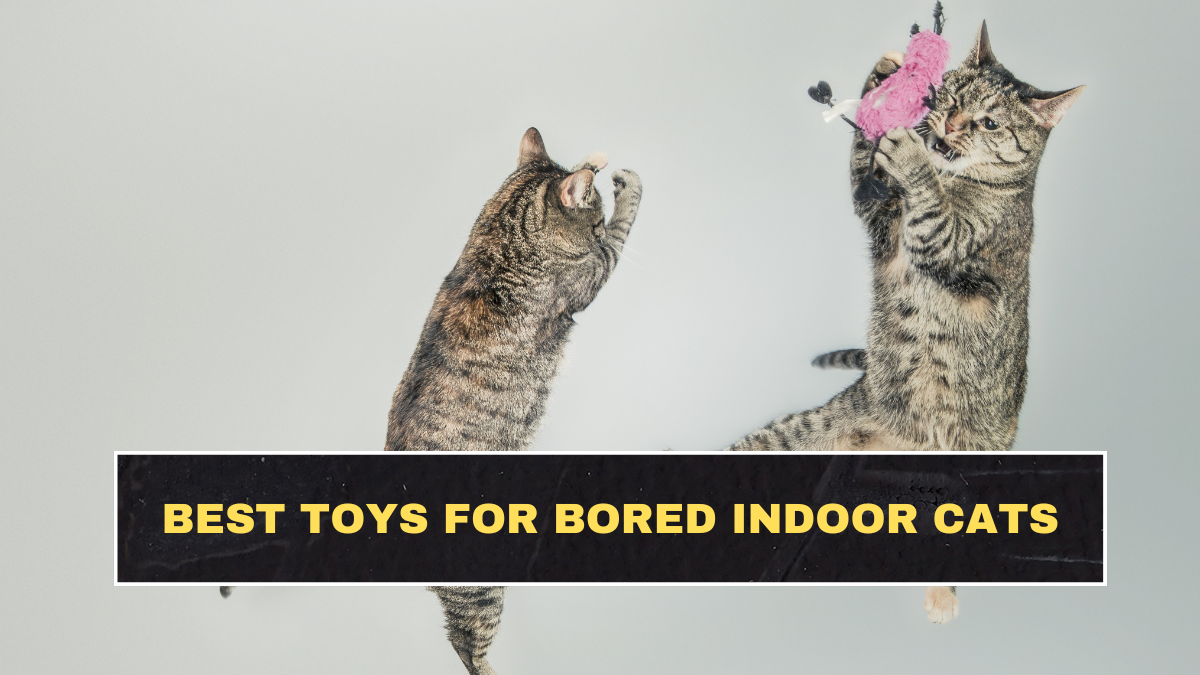
Indoor cats get bored for a simple reason: the home often gives them comfort, but not enough challenge. A cat can have food, safety, and a soft bed and still become frustrated if it has nothing meaningful to stalk, chase, scratch, or solve. Cat-behavior guidance from AAFP and ISFM treats play as one of the key environmental resources cats need, not as some optional extra. AAHA also says indoor enrichment helps reduce boredom and improve welfare, which is why toy choice matters more than people think.
The mistake most owners make is buying toys based on appearance instead of function. Cats do not care whether the toy looks cute in a basket. They care whether it behaves like prey, rewards hunting behavior, or gives them something to work out physically and mentally. International Cat Care says interactive wand toys are especially useful because they let cats stalk, chase, and pounce in a more natural way, while PetMD notes that enrichment works by tapping instinctive behaviors such as stalking, pouncing, and biting.
Which toy types actually work best for bored indoor cats?
The best toy types are usually interactive wand toys, puzzle feeders, lightweight chase toys, kicker toys, and scratching toys or surfaces. That mix works because it covers different parts of feline behavior instead of assuming one toy can do everything. AAFP and ISFM’s environmental guidelines include play and scratching among the cat’s essential resources, while AAHA’s enrichment guidance highlights the importance of varied stimulation for indoor cats.
Wand toys are one of the strongest options because they allow movement that mimics prey. International Cat Care specifically recommends interactive wand toys, and PetMD also points to wand toys and feather teasers as strong interactive choices because they help simulate hunting scenarios. This matters because many bored cats are not looking for “fun” in a human sense. They are looking for a proper outlet for hunting behavior.
Puzzle feeders are another top choice because they turn feeding into work. International Cat Care says puzzle feeders encourage both mental and physical stimulation and allow cats to express natural hunting behavior during feeding. That is a much smarter boredom fix than free-pouring food into a bowl and then wondering why the cat seems restless or overeager around meals.
Why are wand toys usually better than random small toys?
Because wand toys involve you, movement, and unpredictability. A cat usually responds best when the toy moves like something worth catching. International Cat Care’s play guidance and PetMD’s playtime advice both support wand-style play because it encourages stalking, chasing, and pouncing in a way static toys often cannot. A small toy lying on the floor may get ignored, but a moving teaser often triggers immediate engagement.
That does not mean small toys are useless. Light objects such as ping pong balls and simple toss toys can still help with solo play, and International Cat Care specifically notes that even basic items like ping pong balls can provide entertainment and exercise. But solo toys usually work better as part of a rotation, not as the entire enrichment strategy. If the cat has seen the same mouse toy sitting in the same corner for two weeks, do not act shocked when it stops caring.
| Toy type | Why it helps bored indoor cats | Best use |
|---|---|---|
| Wand toy | Mimics prey movement and triggers stalking | Interactive daily play |
| Puzzle feeder | Adds mental work to feeding | Meals or treat sessions |
| Lightweight chase toy | Encourages batting and chasing | Short solo bursts |
| Kicker toy | Supports grabbing and kicking behavior | High-energy play moments |
| Scratching toy or post | Gives physical outlet and marking behavior | Daily access in key areas |
Are puzzle toys really useful for indoor cats?
Yes, especially for food-motivated cats. Puzzle feeders help transform eating into an activity that feels more natural and mentally engaging. International Cat Care says they encourage both physical and mental stimulation, and PetMD also recommends hiding treats, food, and toys because it lets cats feel like they are hunting rather than simply being served. That is a major difference for indoor cats whose environment can otherwise become too predictable.
This is also one of the easiest upgrades for owners who claim they “do not have much time.” You already feed the cat. The question is whether you are using feeding as enrichment or wasting that opportunity. A puzzle feeder, treat ball, or simple food-search setup can slow intake, increase activity, and reduce boredom without requiring constant supervision.
How often should indoor cats get toy-based play?
Regularly, not occasionally. AAHA’s 2025 play guidance says regular play sessions can make a major difference to a cat’s quality of life, and PetMD’s advice on daily playtime also stresses that the right toys and consistent play keep cats more engaged. The point is not to create one giant exhausting session once a week. It is to build routine stimulation into daily life.
Toy rotation matters here too. AAHA’s enrichment-related material points to rotating different toys and textures to keep the environment engaging, and PetMD similarly suggests switching toys so they stay interesting. That is the adult approach. Leaving every toy out all the time is lazy and usually less effective. Cats often respond better when familiar toys disappear for a while and then return.
What toy mistakes make indoor-cat boredom worse?
The biggest mistake is relying only on solo toys and never actively playing with the cat. Another mistake is choosing toys that do not match feline behavior, such as items that neither move well nor reward stalking. A third mistake is ignoring scratching and sensory enrichment altogether. AAFP and ISFM include scratching and play as core environmental needs, and scratching resources from AAFP’s claw-friendly toolkit also reinforce that toys and scratching surfaces are part of proper environmental support, not decorative extras.
Another blind spot is assuming boredom is just a harmless personality issue. PetMD notes that boredom and stress can contribute to behavior problems, and its veterinary content on overgrooming includes boredom as one possible contributing factor. So if a cat is destructive, restless, or over-focused on attention, the answer may not be “buy more stuff.” It may be “use the right kinds of toys in a smarter, more consistent way.”
Conclusion
The best toys for bored indoor cats are the ones that respect how cats actually behave. Wand toys help with stalking and chasing. Puzzle feeders make meals more mentally engaging. Lightweight chase toys, kicker toys, and scratching options add variety and physical outlets. The real fix is not one miracle toy. It is a better mix of toy types, better rotation, and more consistent play. If the toys do not let the cat hunt, chase, scratch, or solve something, they are probably not doing enough.
FAQs
What is the best toy for a bored indoor cat?
Wand toys are one of the strongest choices because they mimic prey movement and support stalking, chasing, and pouncing. International Cat Care and PetMD both support this type of play.
Are puzzle feeders good for cats?
Yes. International Cat Care says puzzle feeders encourage mental and physical stimulation and let cats express natural hunting behavior during feeding.
How often should I play with my indoor cat?
AAHA says regular play sessions can make a big difference to a cat’s quality of life, so play should be a routine part of indoor care rather than an occasional extra.
Should I leave all cat toys out all the time?
Usually no. Rotating toys helps keep them interesting, and both AAHA-related enrichment advice and PetMD support changing toys periodically to maintain engagement.