Secondhand flipping can still make money in 2026, but most people approach it badly. They buy random “cool” items, ignore sell-through reality, underestimate shipping, and then pretend the business is dead when the stuff sits unsold. The resale market itself is not the problem. Demand is still there. ThredUp’s 2026 Resale Report says the global secondhand market is at $393 billion and growing faster than retail overall, while the U.S. secondhand market in 2025 grew nearly 4 times faster than the broader retail clothing market.
That does not mean everything flips. It means supply and demand have shifted enough that category choice matters more than ever. The lazy version of flipping is dead. The smarter version, where you buy categories with clear buyer demand and manageable risk, still works.
Which secondhand categories still make the most sense in 2026?
The strongest flipping categories in 2026 are usually collectibles, niche electronics, branded clothing, tools, and selected home items. That is not because they are glamorous. It is because they have active buyer bases and clearer resale behavior. eBay’s own demand guide says sellers should watch long-term trends, top-selling items, and real selling prices instead of guessing from hype. That is basic, but most flippers still ignore it.
Collectibles remain one of the clearest categories because demand is often driven by fandom, scarcity, and nostalgia. eBay’s 2025 collectibles report highlighted strong interest in trending characters, sports cards, and other culture-driven items, which tells you something important: buyers are still willing to pay for items with emotional pull and active communities.
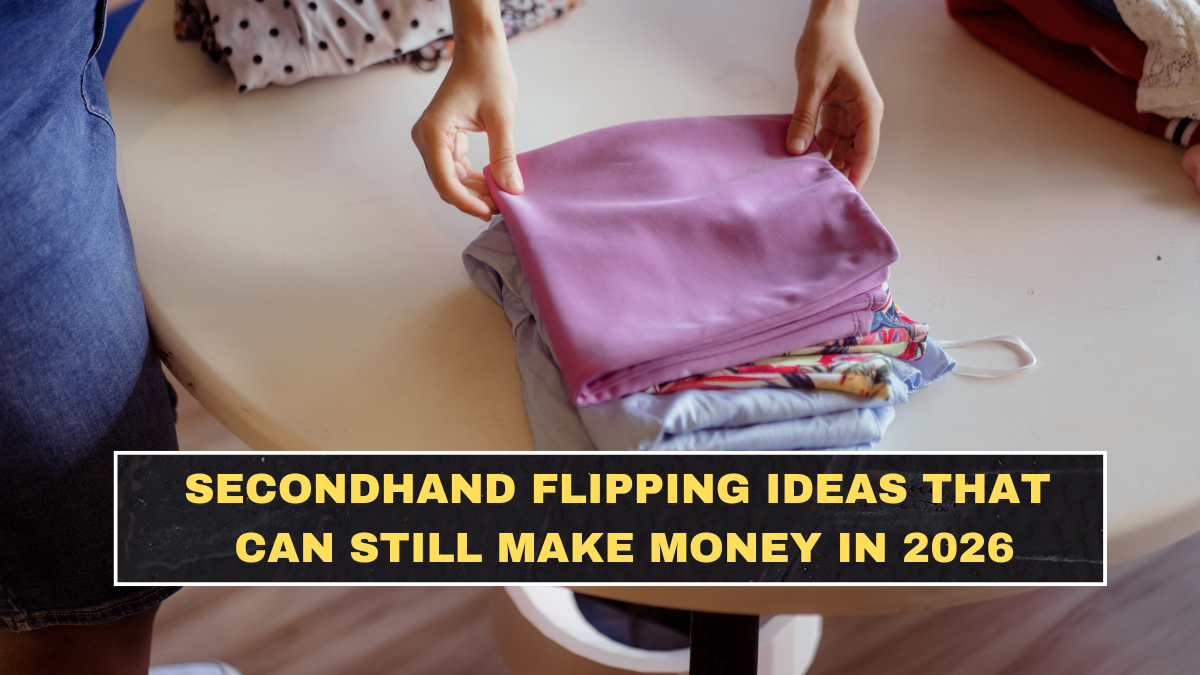
Clothing is also still very relevant, but only if you stop treating all apparel like equal inventory. ThredUp’s 2026 report and related coverage show resale fashion continues to expand, especially with younger buyers driving growth. That means branded, desirable, and trend-aligned apparel still has a place. Generic mall basics usually do not.
What types of items are smarter than random thrift-store guesses?
The best flips are usually items where buyers already know what they want. That includes recognizable brands, replaceable parts, sought-after collectibles, and problem-solving products. Random decor and low-end household clutter often look cheap because they are cheap. You are not uncovering hidden gold every weekend. Most of those items sit because demand is weak, shipping is annoying, or both.
A better way to think about it is this:
| Category | Why it can work | Main risk |
|---|---|---|
| Collectibles | Nostalgia, scarcity, active buyers | Trend swings fast |
| Branded clothing | Large resale audience | Heavy competition |
| Small electronics | Useful and searchable | Testing and returns |
| Tools | Practical buyer demand | Missing parts or wear |
| Sneakers and hype items | Strong resale culture | Counterfeits and condition issues |
This is the brutal truth most beginners avoid: the best inventory is usually boring but searchable or specific and collectible. “Interesting” is not enough. If buyers are not actively searching for it, your opinion does not matter.
Why do collectibles still have flipping potential?
Because collectibles are not bought only for utility. They are bought for attachment, scarcity, and community demand. eBay’s 2025 collectibles report shows how trends around characters, athletes, and pop-culture artifacts still moved buyers, and even absurd resale spikes around limited Trader Joe’s tote bags this year show how quickly scarcity and hype can create resale opportunity.
That said, collectibles are also dangerous for beginners because hype can vanish fast. You do not want to buy into peak excitement unless you understand the niche. The smarter play is often older, steady-demand collectibles with known buyers rather than random trend-chasing. If you are just following social media noise, you are probably late.
Is clothing still worth flipping in 2026?
Yes, but only if you get more selective. The resale apparel market is still expanding, and ThredUp says new shoppers are driving much of the market’s growth. That supports the idea that secondhand fashion remains a real flipping lane.
But clothing is also where beginners waste the most time. The category is saturated with mediocre listings. The items that still make sense usually have one or more of these traits: strong brand recognition, premium fabric, vintage appeal, clear style identity, or current demand on resale-heavy platforms. Generic fast-fashion pieces usually do not justify the sourcing, photographing, storing, and shipping effort.
If you are flipping clothes, stop romanticizing thrift racks. You need brand knowledge, condition discipline, and platform awareness. Otherwise you are just stockpiling future donation items.
What makes electronics and tools good flipping ideas?
They solve real buyer problems. That is why they keep working. Small electronics, accessories, calculators, cameras, audio gear, and certain tools can sell because people search for exact replacements, backups, or cheaper used options. SaleHoo’s 2026 flipping guide also points to electronics as a margin-friendly category, which fits broader reseller behavior around functional products with clear demand.
But this category punishes laziness. If you cannot test items, verify accessories, describe flaws honestly, and handle returns, do not bother. Electronics are not forgiving. The same goes for tools. Good brands and specialty tools can move well, but missing batteries, rust, broken locks, or incomplete sets kill value fast.
What flipping mistakes are killing beginners?
The biggest mistake is buying based on fantasy margin instead of actual sell-through. The second is ignoring fees, shipping, cleaning, and returns. The third is trying to sell on the wrong platform. In 2026, eBay still matters because of reach, while resale ecosystems like Poshmark, Depop, and StockX make more sense for certain categories and buyers. That is obvious, but plenty of sellers still list everything everywhere without understanding platform fit.
Another mistake is thinking the whole secondhand market is equally profitable because the overall market is growing. That is lazy reasoning. A growing resale market does not rescue bad picks. It just means there are more buyers somewhere. Your job is still to source items those buyers actually want.
Conclusion
Secondhand flipping ideas that can still make money in 2026 are not random thrift-store fantasies. They are category-driven plays built around real demand, clear buyers, and realistic resale math. Collectibles, selective clothing, small electronics, tools, and certain hype items still work because buyers are already looking for them. The resale market is still growing, but growth does not reward sloppy sourcing. It rewards discipline. If you want this to make money, stop buying what feels exciting and start buying what already has a market.
FAQs
Is secondhand flipping still profitable in 2026?
It can be, yes. The resale market is still growing, but profit depends on sourcing discipline, category choice, and platform fit rather than random thrift-store luck.
What are the best categories to flip right now?
Collectibles, branded clothing, small electronics, tools, and some hype-driven items are among the stronger categories because they have clearer resale demand.
Is clothing a good flipping category?
Yes, but only selectively. Resale apparel is still growing, but generic clothing is usually too competitive and low-margin to be worth the effort.
What is the biggest mistake beginners make in flipping?
Buying items they personally like instead of items buyers are actively searching for. Market growth does not save weak inventory choices.