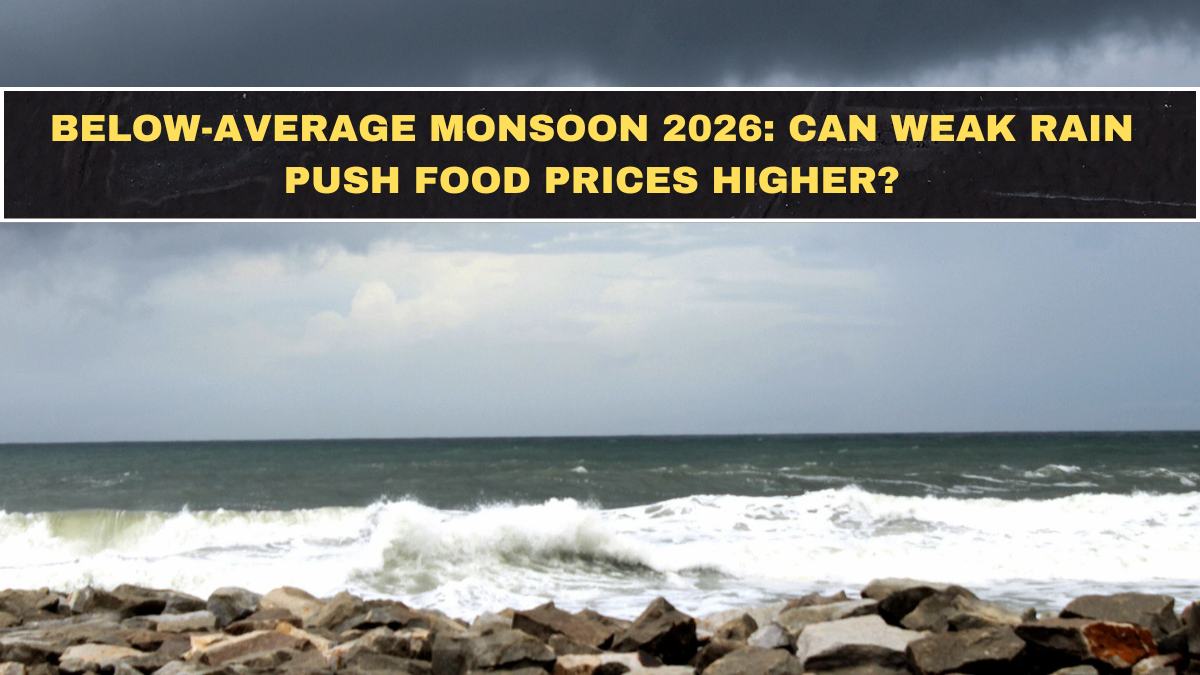
Below-average Monsoon 2026 has become a serious concern because IMD has forecast southwest monsoon rainfall at 92% of the Long Period Average, with an error margin of 5%. India’s normal monsoon range is generally treated around 96% to 104% of LPA, so this forecast falls clearly into the below-normal zone.
This does not mean every part of India will face drought, and that is where people usually oversimplify the issue. A national average hides regional differences, which means some states may still receive decent rainfall while others may face long dry spells. The real risk is not just “less rain,” but badly distributed rain during the most important crop months.
Why 92% LPA Matters?
LPA means Long Period Average, which is the long-term seasonal rainfall average used to compare monsoon performance. Reuters notes that India’s monsoon normally supplies around 70% of the rainfall needed for irrigation and water replenishment, making it critical for farming, reservoirs and rural demand.
| Monsoon Indicator | 2026 Concern |
|---|---|
| IMD Forecast | 92% of LPA |
| Rainfall Category | Below normal |
| Main Risk Period | Second half of monsoon |
| Key Concern | Uneven rainfall distribution |
| Biggest Impact | Crops, water storage and food prices |
The forecast becomes more worrying because the second half of the season may face pressure. Indian Express reported IMD’s concern for August and September as El Niño influence may become stronger after July. That matters because weak late-season rain can hurt crops after sowing has already started.
Can Food Prices Rise?
Yes, weak rainfall can push food prices higher, but it depends on which regions and crops are hit. If rainfall is poor in major rice, pulses, oilseed, corn or sugarcane belts, supply pressure can rise later. Food inflation does not always jump immediately after a weak forecast, but markets start reacting when crop damage becomes visible.
The bigger problem is that weak rain can affect both production and sentiment. Traders, farmers and consumers start expecting tighter supplies, which can create price pressure even before final output numbers arrive. If fuel costs, storage issues or global commodity pressure also rise, food inflation can become harder to control.
Which Crops Face Risk?
Kharif crops depend heavily on monsoon rainfall because sowing begins after the rainy season starts. Reuters reported that monsoon arrival helps farmers plant crops such as rice, corn, soybean and sugarcane, but below-average rainfall remains a concern for agriculture and inflation.
Crops and sectors to watch:
- Rice in major paddy-growing regions
- Pulses and oilseeds in rain-fed areas
- Corn and soybean during sowing months
- Sugarcane in water-stressed belts
- Reservoir levels for irrigation and drinking water
Farmers should not rush sowing only because early rain appears in some areas. That is a common and costly mistake. Local soil moisture, district rainfall, seed advisories and short-term forecasts matter more than a national monsoon headline.
Early Arrival Means Relief?
Not completely. The southwest monsoon is expected to reach Kerala around May 26, which is earlier than the normal June 1 date, but early onset does not guarantee good seasonal rainfall. Reuters also reported that below-average rainfall concerns remain despite the early arrival forecast.
This is the blind spot many people miss. Early monsoon is useful for mood, travel headlines and initial crop planning, but the season is judged by total rain and distribution. A fast start followed by weak July, August or September rainfall can still create problems for crops and reservoirs.
What Should Families Watch?
Families should watch food prices, especially staples such as rice, pulses, edible oils, vegetables and sugar. A weak monsoon can also affect rural income, which then impacts demand for two-wheelers, FMCG goods, farm equipment and local services. This is why monsoon is not only a weather story; it is an economy story.
People should track IMD updates, state rainfall alerts and reservoir levels instead of reacting to WhatsApp panic. The final impact will depend on how much rain actually falls, where it falls and whether dry spells hit major crop zones. Smart readers should follow updates month by month, not just one forecast number.
Conclusion?
Below-Average Monsoon 2026 is a warning sign for agriculture, food prices and rural demand. IMD’s 92% LPA forecast puts the season in the below-normal category, and concerns around the second half of the monsoon make the situation more sensitive. But the real outcome will depend on rainfall spread, timing and regional performance.
The honest takeaway is simple: early monsoon arrival is not enough to relax. Farmers, consumers, businesses and policymakers need to watch July, August and September carefully. If rainfall weakens in key crop belts, food prices and rural income pressure can become a much bigger story.
FAQs?
What is below-average monsoon 2026?
Below-average monsoon 2026 refers to the forecast that India may receive rainfall below the normal range during the June to September southwest monsoon season. IMD has projected rainfall around 92% of LPA, with an error margin.
Does 92% LPA mean drought?
No, 92% LPA does not automatically mean drought across India. It means the national rainfall forecast is below normal, but drought risk depends on regional rainfall, dry spells, crop zones and reservoir conditions.
Can weak monsoon increase food prices?
Yes, weak or uneven rainfall can increase food price pressure if major crop regions face poor rain. Rice, pulses, oilseeds, vegetables and sugar can become sensitive if production expectations fall.
Why does early monsoon not guarantee good rain?
Early monsoon only shows when rains begin over a region like Kerala. It does not guarantee steady rainfall across India, and the season can still become weak if July, August or September rains disappoint.